Definition of Internet Protocol Address (IP Address)
An Internet protocol address, commonly known as an IP address, is a unique numerical label that is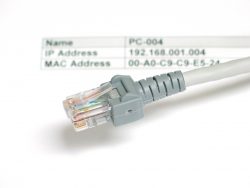 connected to a computer network that uses Internet protocol for communication. An IP address usually looks like this: 123.0.4.5. These numbers serve two functions: to collect data for geographic locations and host or network interface identification.
Every connected device including laptops, desktops, servers, printers, modems, scanners, routers, smartphones, and smartTV has an IP address. Every email, video, and web that traverses an IP network contains a source IP address and a destination IP address.
IP addresses are created and managed by the Internet Assigned Numbers Authority or IANA. The IANA assigns number super-blocks to certain registries known as Regional Internet Registries. The Regional Internet Registries assign the numbers to Internet service providers and sometimes smaller enterprises. The system was created to track every computer for localized results.
There are two versions of the Internet protocol being used today. The original version was deployed before the Internet existed and the new version is called Internet Protocol 4 (Ipv4). When the early 1990s hit, available space was running out for new addresses and another version, Ipv6 was in testing stages until the mid-2000s when commercial production deployment went ahead. Both versions are simultaneous use today, but each version defines the format of addresses differently.
IPv4 has a size of 32 bits, which limits address space. Some addresses are reversed for special purposes including private networks, which account for about 18 million addresses. IPv4 addresses are most often represented in dot-decimal notation. They consist of four decimals ranging from numbers 0 to 255. Each part represents a group of 8 bits, or an octet, of the address.
Ipv6 has an address size of 128 bits, which provides many more addresses. Thanks to the additional addresses that are expected to last into the foreseeable future, large blocks of addresses can be assigned to specific purposes.
What are dynamic IP addresses? These are IP addresses that are assigned by network using Dynamic Host Configuration Protocol (DHCP). This is a frequently used technology for assigning addresses. DHCP allows devices to share the limited address space on a network if they are online at the same time. Dynamic IP configuration is enabled by default in modern desktops. Addresses assigned by DHCP often have an expiration date. If the lease is not renewed, the address can be reassigned to another device. Bootstrap Protocol is similar to Dynamic Host Configuration Protocol in that it can also assign IP addresses dynamically. It is the predecessor of DHCP.
Do you need to worry about your IP address? Some people worry that their IP address might reveal personal information. Luckily, your home address, name, age, and other personal information are safe. If someone uses a tool online to look up an IP address, it may be done by fraud investigators, retailers to know if someone is using a stolen credit card, or you if you want to make sure the person you’re emailing with isn’t located somewhere suspicious.
Internet Protocol Address (IP Address) Definition Sources:
Categorized in: Digital Marketing Glossary
LIKE AND SHARE THIS ARTICLE: